
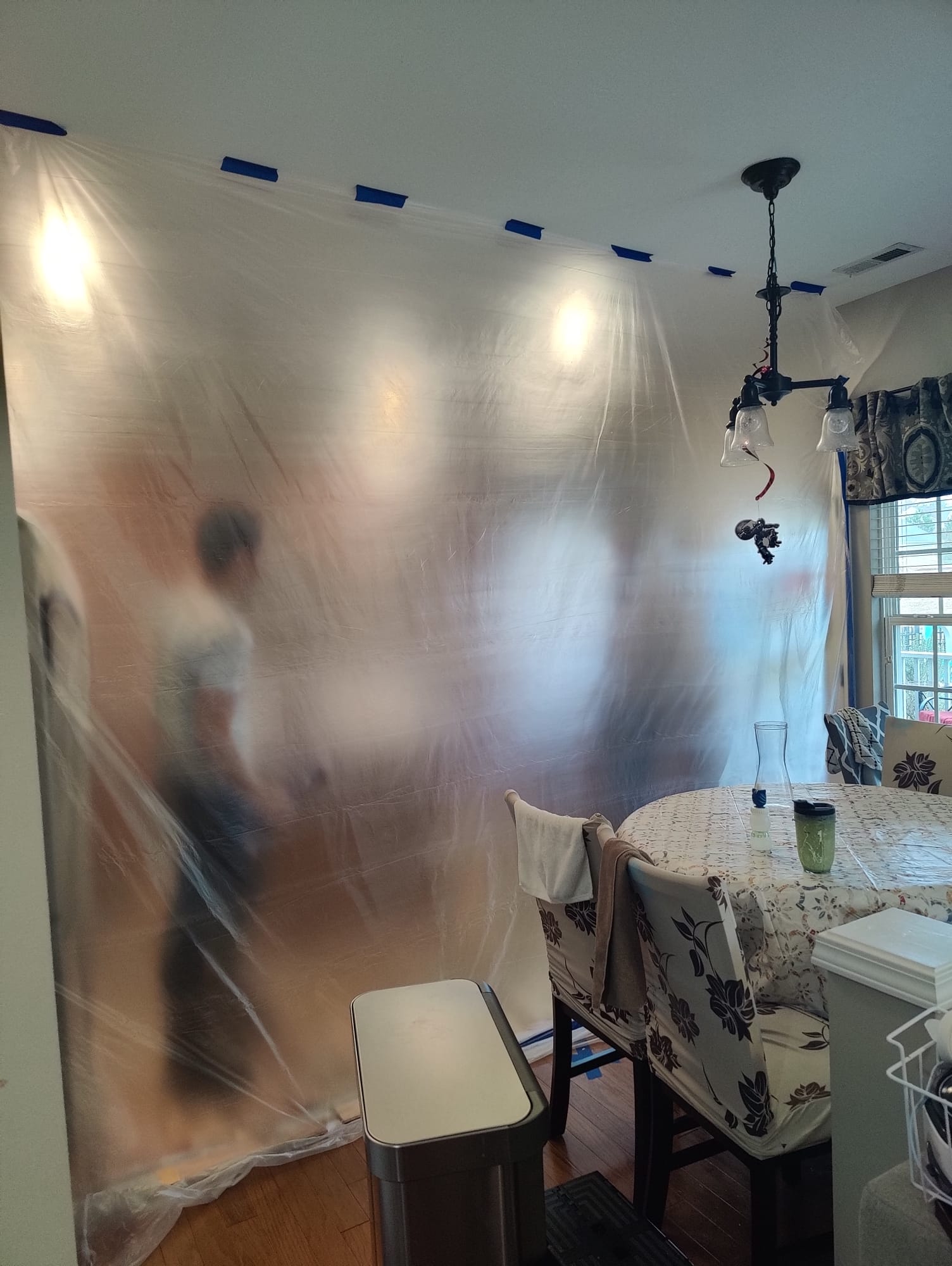
It was just another evening. I was still on a Zoom call for work, just trying to wrap up the day. All of a sudden, my wife comes knocking on the home office door. I wave back at her, saying I only have a few minutes left before I come over to attend to the kids. She kept knocking on the door. I looked back at her, noting my head in question. She opened the door and said, “You have to come right now!” I told my colleagues that I have to go for a second. I took off my headphones and walked with her to the dining area.
As I got closer to the table, I realized the floor was covered with water. “The house is flooded,” She said. I realized it was coming from the wall that is part of the house’s frame. I then remembered that the kids had opened the garden faucet about an hour before. So I ran outside to shut it down. But the water kept bursting out of the house. So I ran to the garage to shut down the main valve.
And that’s how a two-month story of remediating and redoing our floor started.
The First 24 Hours: What I Did (and What You Should Do)
1. Stop the source immediately
The first and most important step:
- Shut off the main water supply
- Turn off electricity in affected areas (if safe)
This limits damage and helps your insurance claim later.
2. Call your insurance company
This was my next move—and it should be yours too.
Tell them:
- What happened
- When it started
- What areas are affected
They’ll:
- Open a claim
- Send an adjuster
- Guide you on temporary housing
Important keyword insight: Many people search “insurance temporary housing after flood” — this is exactly what you’re dealing with.
3. Document EVERYTHING
Before cleanup crews arrived, I:
- Took photos of every room
- Recorded videos of damage
- Saved receipts for emergency expenses
This is critical for reimbursement.
The Moment It Hit Me: “Where Are We Sleeping Tonight?”
That night, we couldn’t stay.
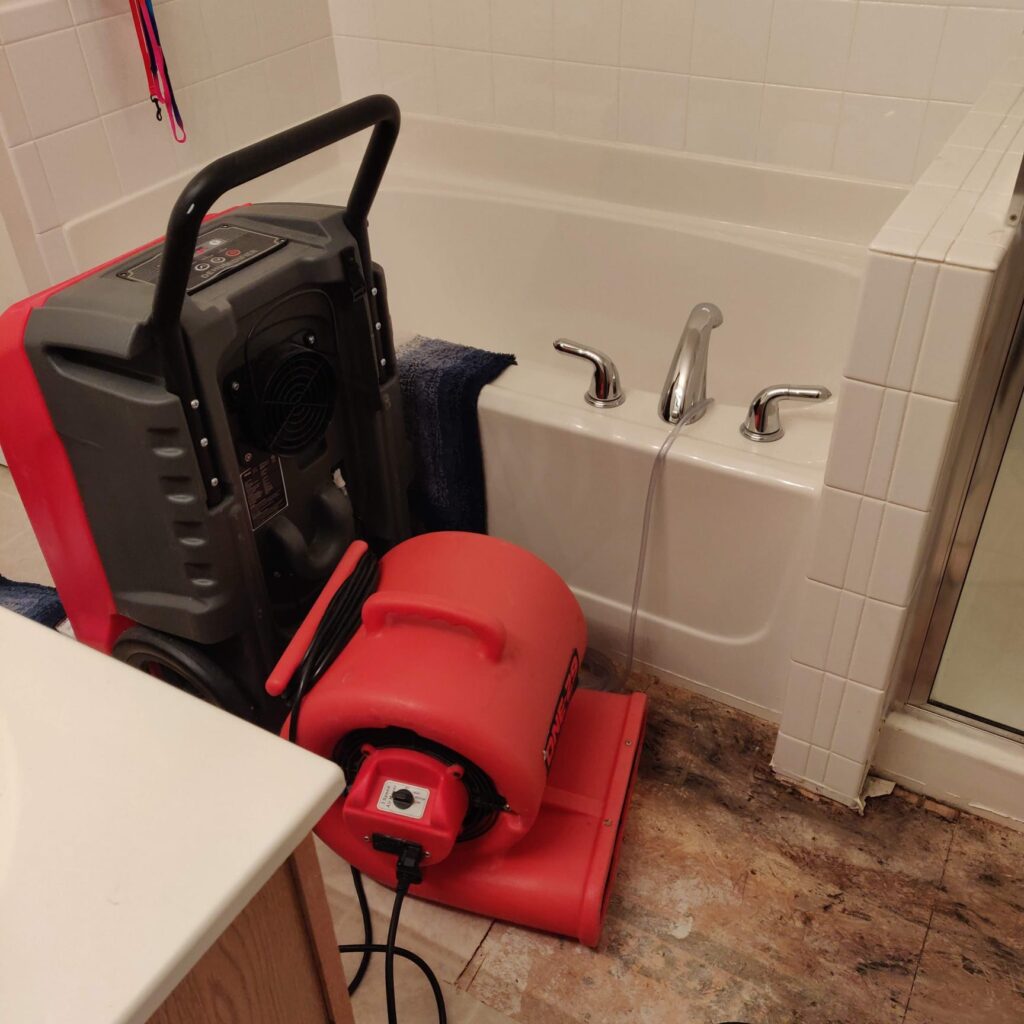
The floors were soaked, fans were running, and the smell of moisture was already setting in. Hotels were an option—but with kids, luggage, and uncertainty… it didn’t feel right.
We needed more than a place to sleep.
We needed a home away from home.
That’s when we discovered a better option: a short-term rental.
Instead of cramming into a hotel, we moved into a:
- Fully furnished home
- With a full kitchen
- Separate bedrooms
- Space to actually live
It made a massive difference.
Why a Short-Term Rental Was the Right Choice
Fully Furnished = No Stress
We didn’t have to think about:
- Furniture
- Kitchen supplies
- Internet setup
Everything was ready.
Flexible Contract
We had no idea how long repairs would take.
A flexible contract meant:
- We could extend if needed
- No long-term lease commitment
This is key for insurance-related stays.
Insurance-Friendly Housing
Many insurance policies cover:
- Temporary housing
- Alternative living expenses (ALE)
Using a short-term rental often qualifies—especially when it’s a furnished, move-in ready home.
A Real “Home Away from Home”
This was the biggest difference.
Instead of surviving in a hotel, we were:
- Cooking meals
- Working remotely
- Keeping routines for the kids
It felt normal—during a very abnormal time.
Is your houses flooded?
What You Should Do If Your House Floods
Here’s the simplified checklist:
Immediately:
- Shut off water + electricity
- Call your insurance provider
- Document damage
Within 24–48 hours:
- Start the claims process
- Contact restoration companies
- Secure temporary housing
When choosing housing:
Look for:
- Short-term rental options
- Fully furnished homes
- Flexible contracts
- Proximity to your home / work / school
One mistake we almost made?
Waiting too long.
Good short-term rental homes—especially ones that work with insurance claims—get booked fast.
How NC Triangle Connection Can Help
If you’re in the Raleigh, Durham, or surrounding areas and facing a home emergency like flooding, we specialize in helping families just like yours.
We provide:
- Fully furnished short-term rentals
- Flexible contract options tailored to insurance claims
- Homes near hospitals, schools, and major employers
- A true home away from home experience
Whether your stay is a few weeks or a few months, we can accommodate your needs quickly and comfortably.
Final Thought
No one plans for a flood.
But when it happens, what matters most isn’t just fixing your home—it’s protecting your life, your routine, and your peace of mind.
And sometimes, the best next step… is finding a place that still feels like home.